
Popular Science
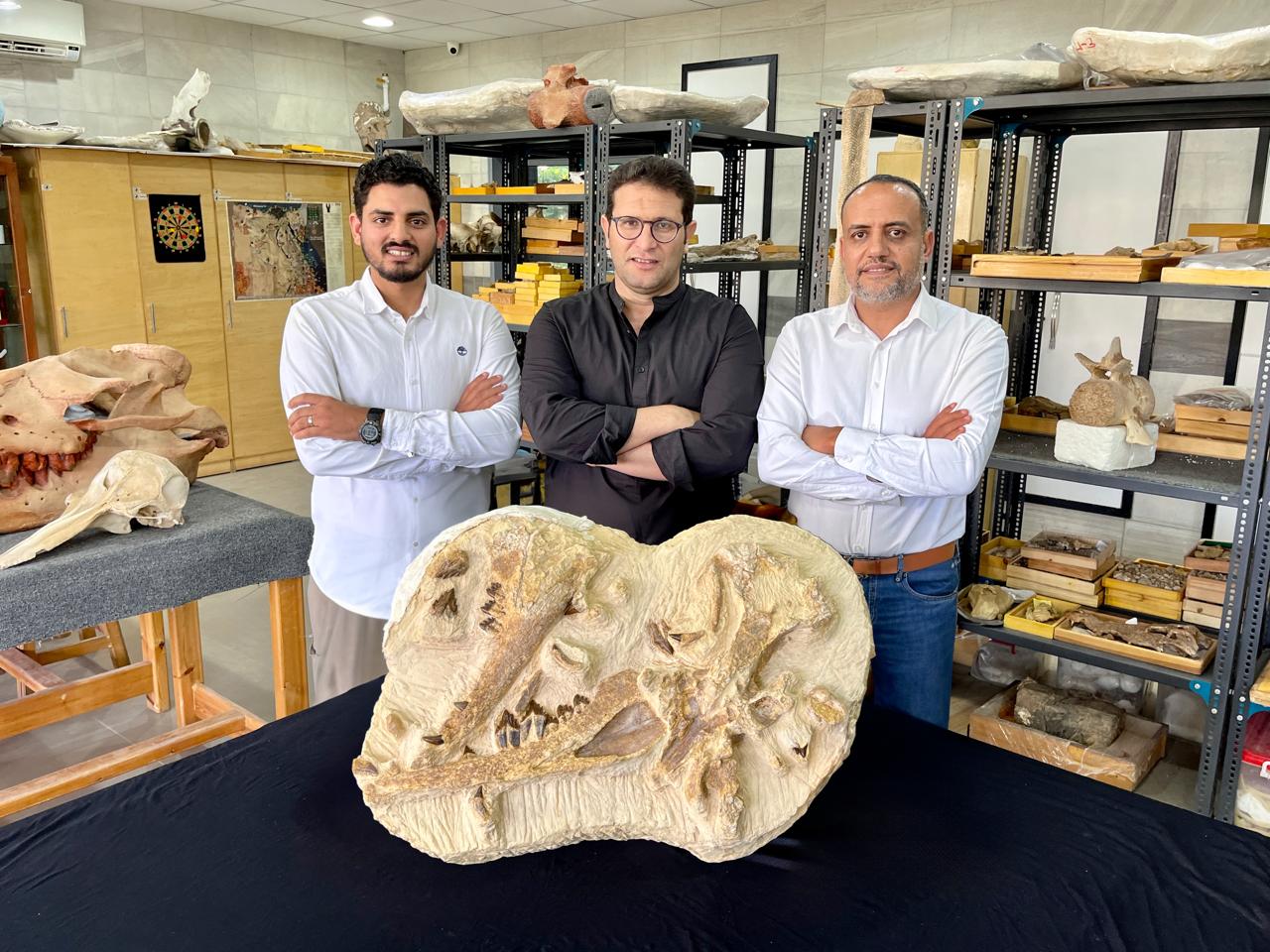
The miniature species, Tutcetus rayanensis, is named after King Tut.
Antarctic blue whales, the largest animals on Earth, can reach 98 feet from mouth to tail.
But to get to this massive length, these mammals needed the right conditions to grow,
whether that was more food or protection from danger—perks of living in water.
Four hundred million years ago, the pre-mammalian ancestors of the ocean’s behemoths roamed on land on four legs. Ancestral whales returned to the sea 350 million years later. They likely spent so much of their lives in the water that, over time, their bodies completely adapted to swimming. But it’s unclear how much of this evolutionary history was amphibious before they fully submerged in the ocean.