Links
Map
Contact us
Department of Geology, Faculty of Science, Mansoura University, Mansoura, Egypt
- Visits 375817

egypt today
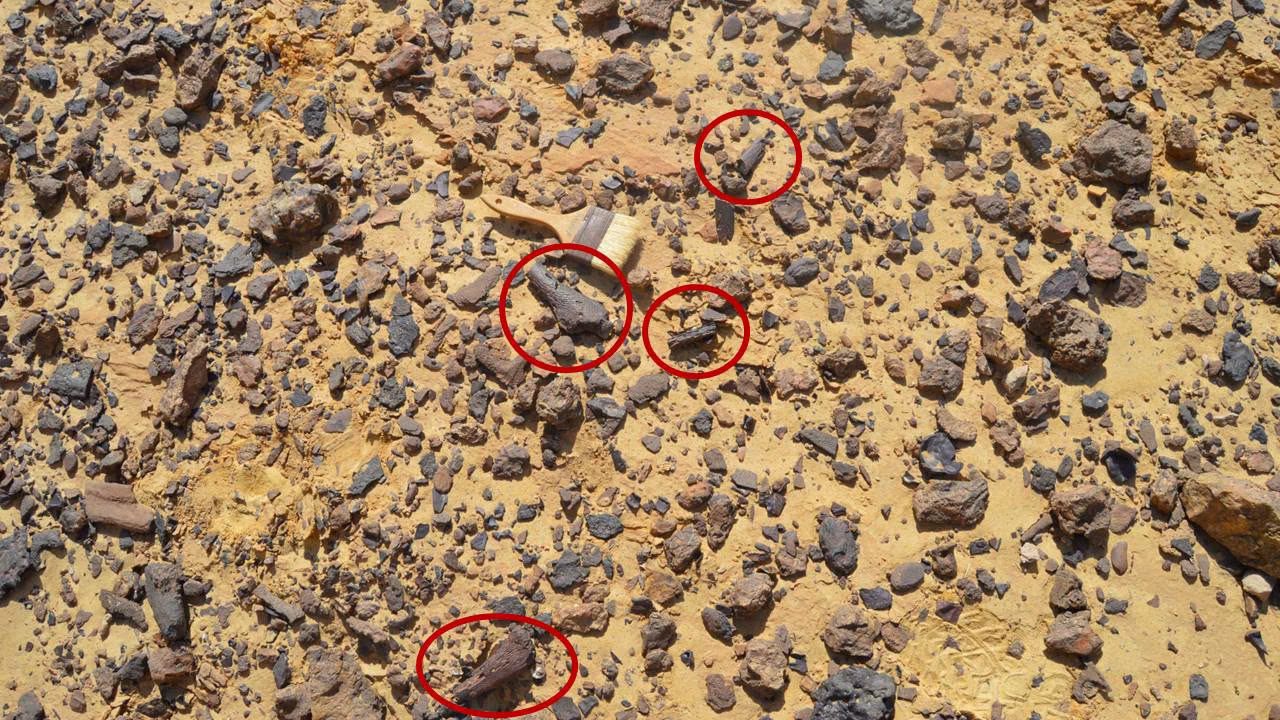
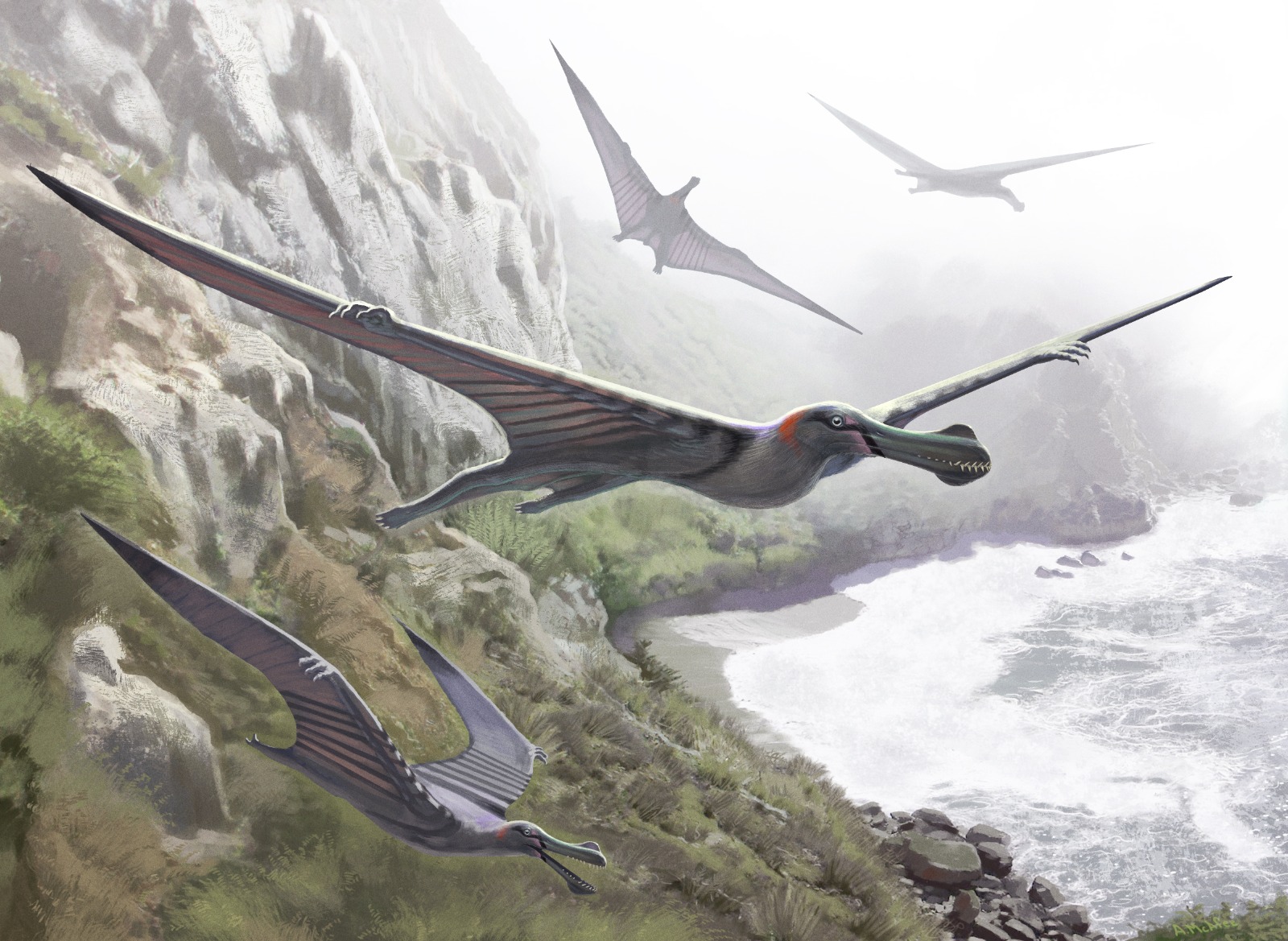
An international research team led by an Egyptian palaeontologist has announced the first confirmed discovery of a pterosaur fossil in Egypt, providing the earliest direct evidence that the flying reptiles inhabited what is now Egypt around 95 million years ago.
cairoSCENE
The find from the Bahariya Oasis confirms the country's first verified pterosaur fossil record.
A fossil of a pterosaur dating back more than 95 million years has been documented for the first time in Egypt, following an Egyptian-led
EnglishAhram
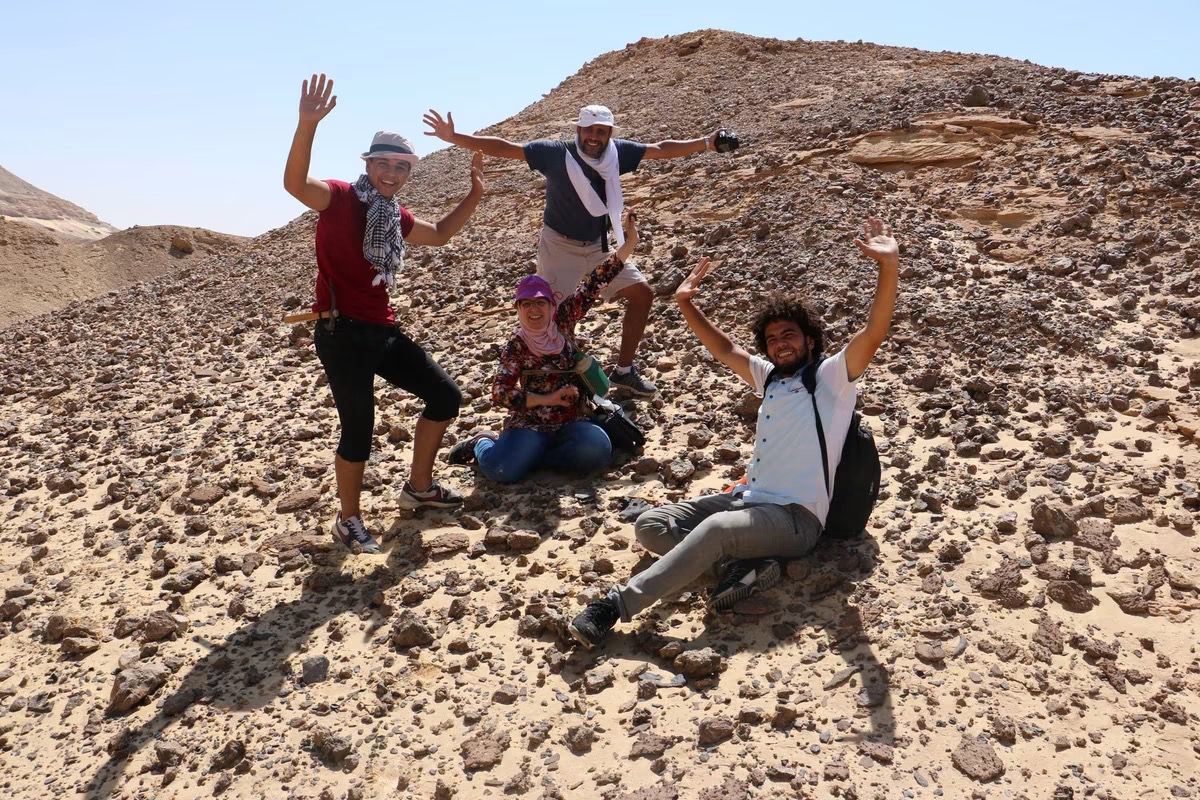
Researchers from Mansoura University in Egypt have identified the country's first confirmed pterosaur fossil, a wing bone from a flying reptile that lived in what is now Egypt approximately 95 million years ago, during the Late Cretaceous period.
Independent
Scientists know far less about what happened to fishes in the seas during the first few million years after the dinosaur extinction
When an asteroid struck Earth about 66 million years ago, it ended the age of dinosaurs and transformed life across the planet. The effects of
THE CONVERSATION
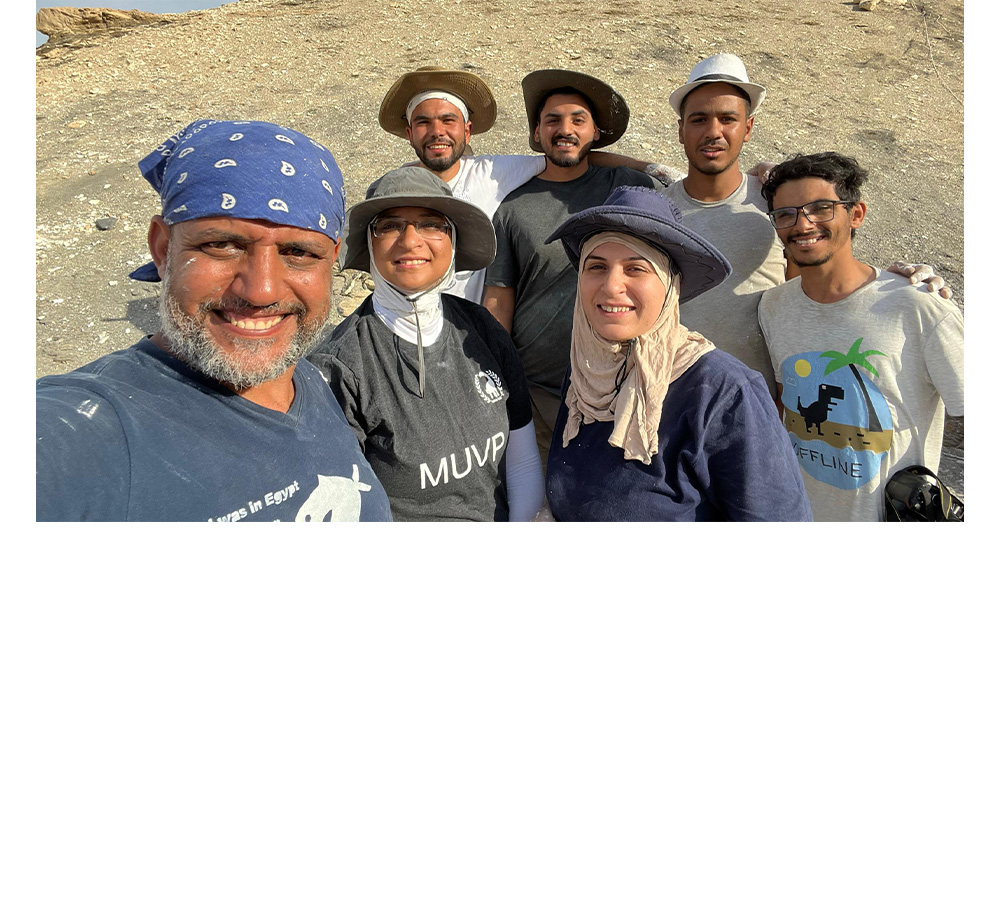
When an asteroid struck Earth about 66 million years ago, it ended the age of dinosaurs and transformed life across the planet. The effects of that catastrophe are visible in the fossil record on land, but scientists know far less about what happened to fishes in the seas during the first
Discover Magazine
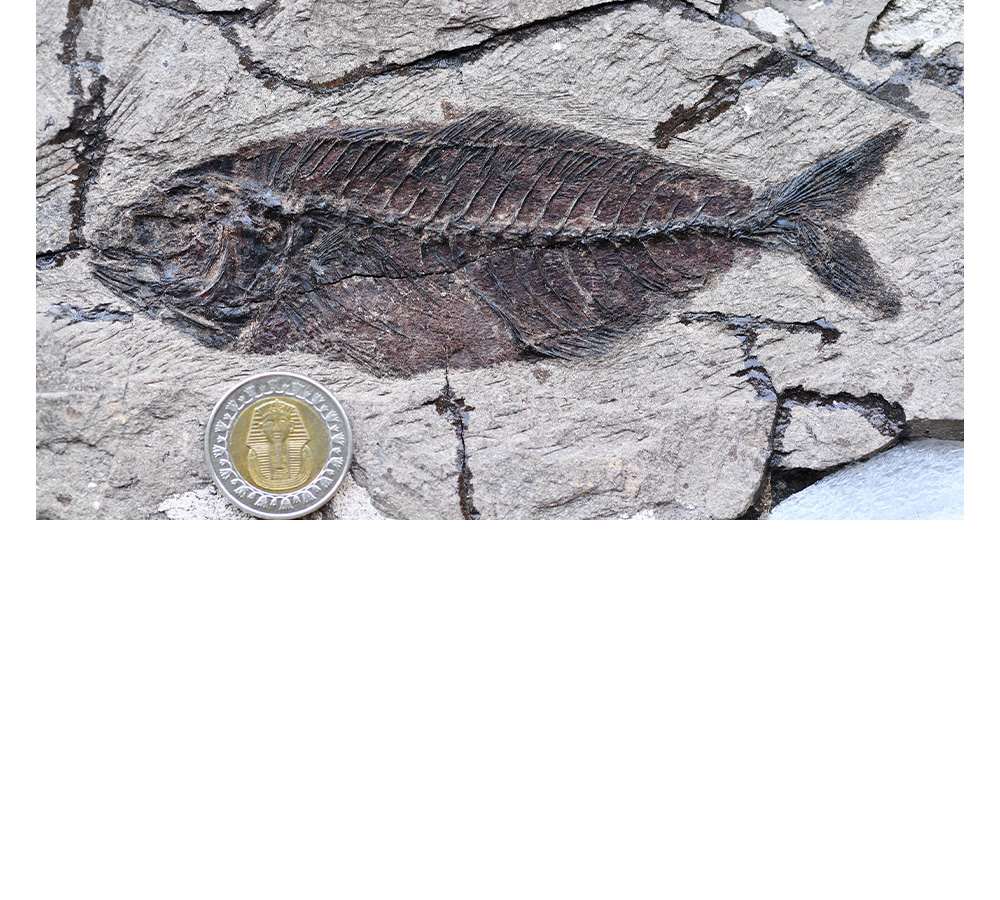
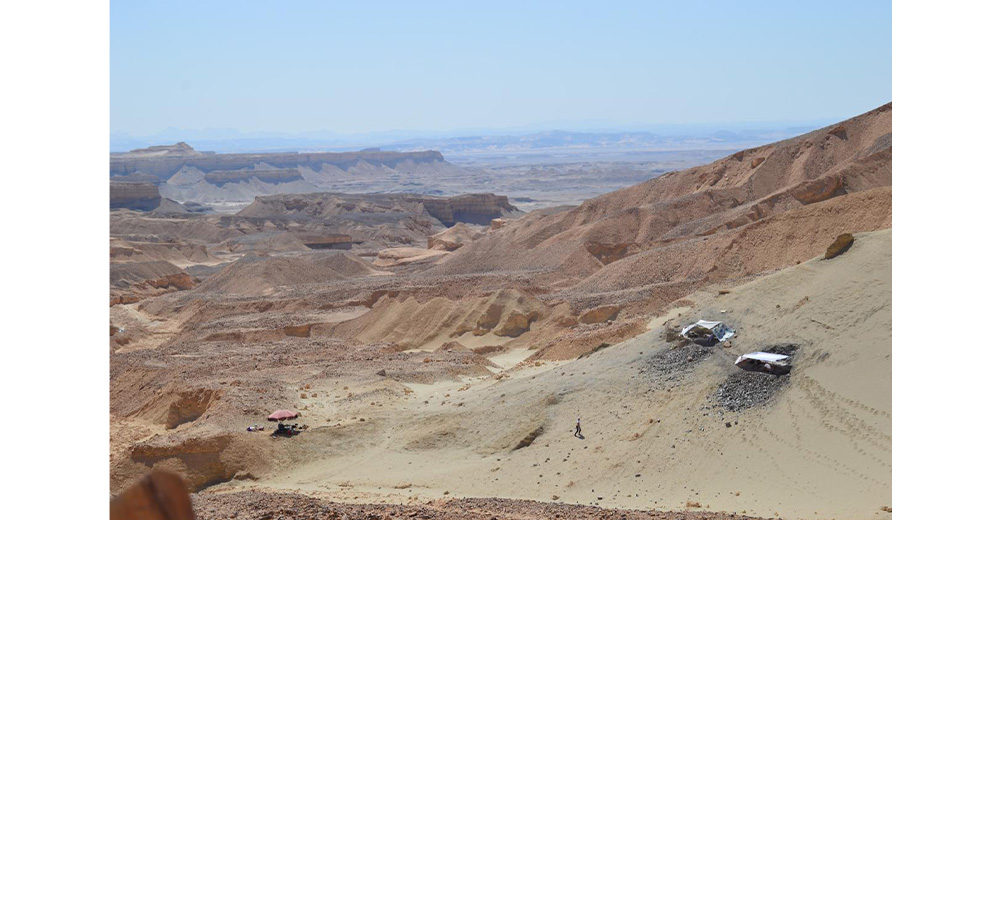
Fish fossils from a 62.2 million-year-old Egyptian site may be rewriting what we know about marine evolution and filling in vital gaps in the prehistoric record.
It may be hard to imagine, but Egypt’s golden desert was once mostly
National Geographic
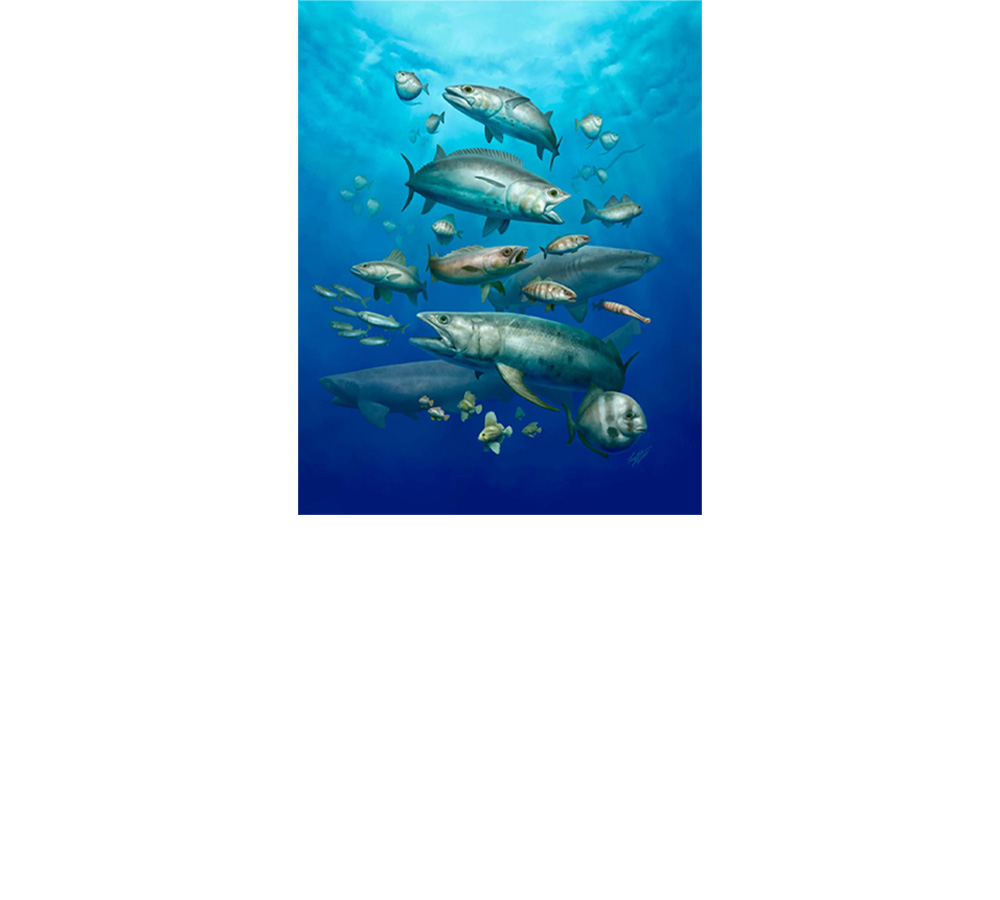
An unexpected haul of nearly 500 fossilized fish in Egypt provides an unprecedented picture of how sea life rebounded from the asteroid that killed the dinosaurs. Paleontologists excavating a 62.2-million-year-old rock layer in
National Geographic
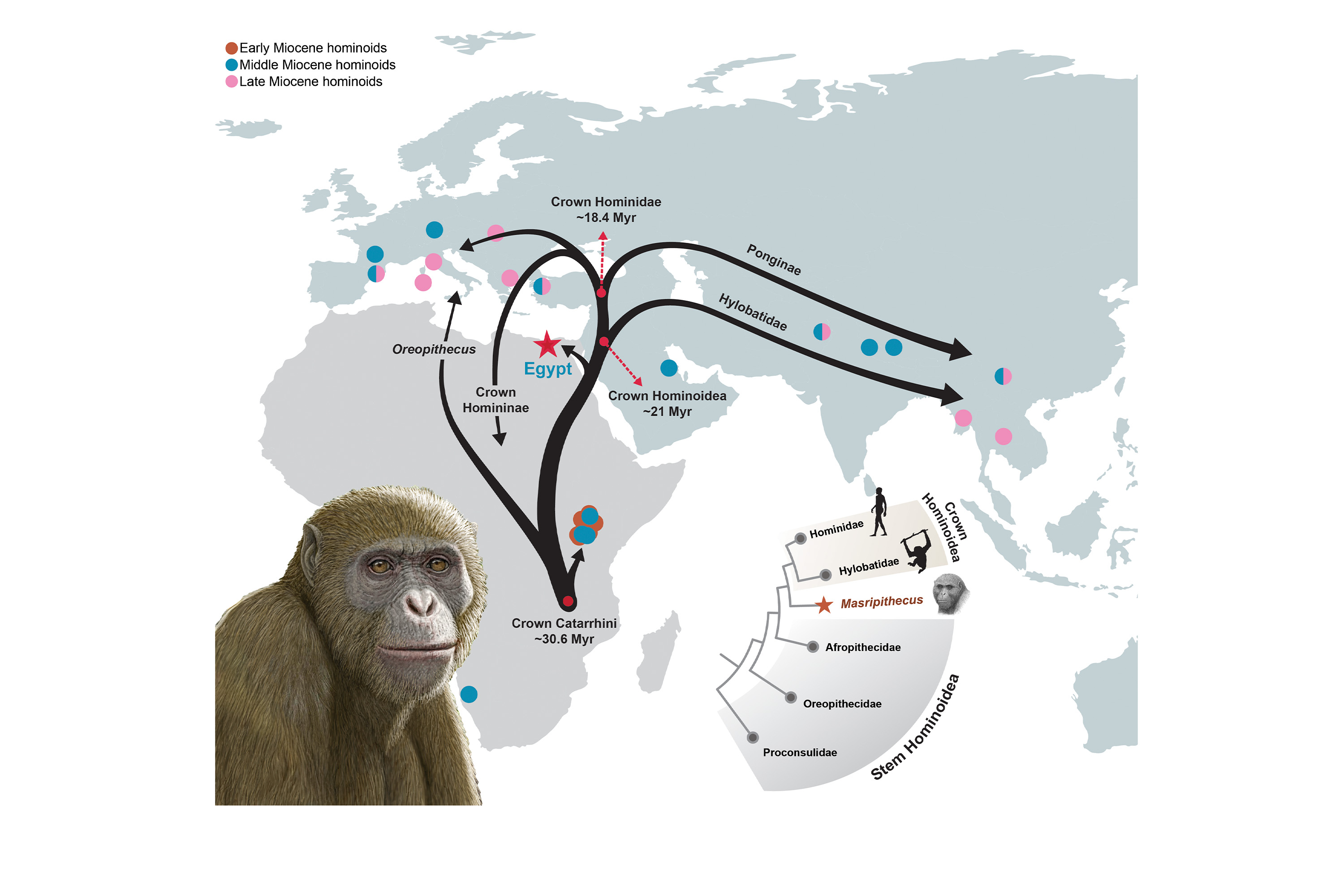
An 18-million-year-old jawbone discovered in Egypt challenges the long-held view that East Africa was the cradle of our modern ape ancestors.
Most early ape fossils paleontologists have