
Links
Map
Contact us
Department of Geology, Faculty of Science, Mansoura University, Mansoura, Egypt
- Visits 389944


National Geographic
Some were the size of a dog. Others were as large as polar bears. A newly-discovered fossil of the ferocious hyaenodont is helping scientists understand a little bit more about the mysterious
Nature
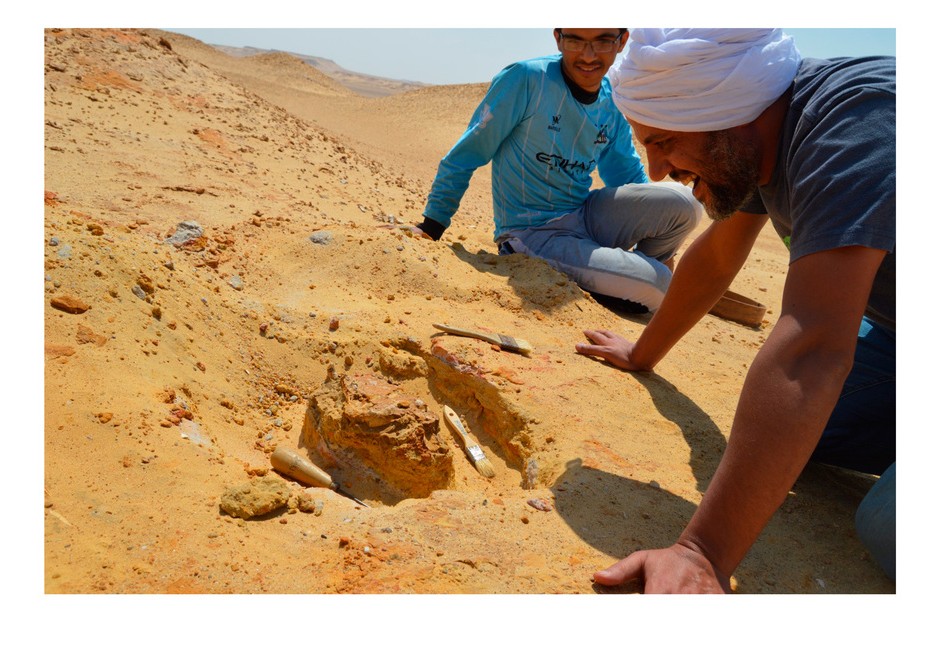
The discovery of an almost complete skull in the Egyptian desert has led scientists to describe a 30-million-year-old species of an ancient apex predator.
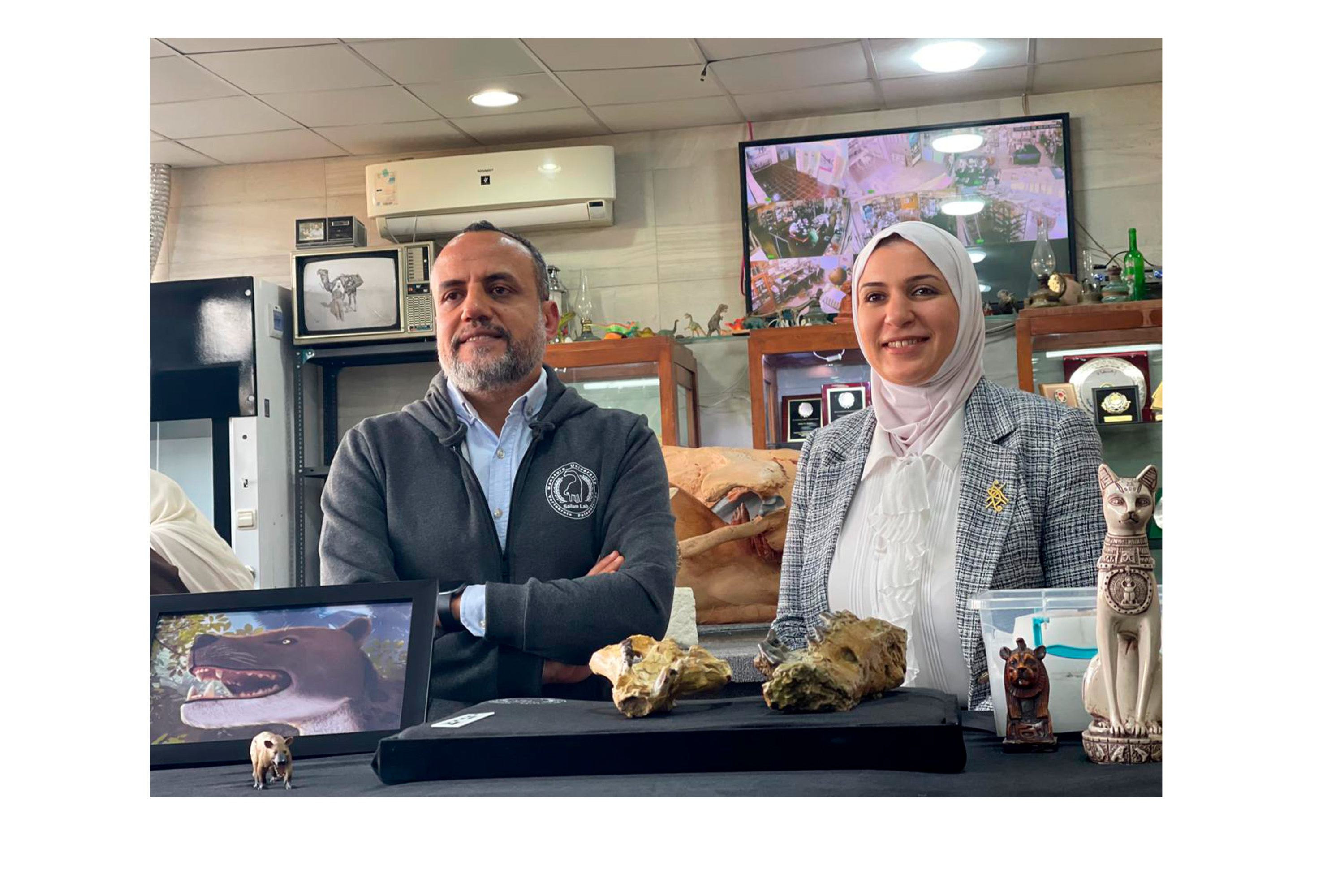
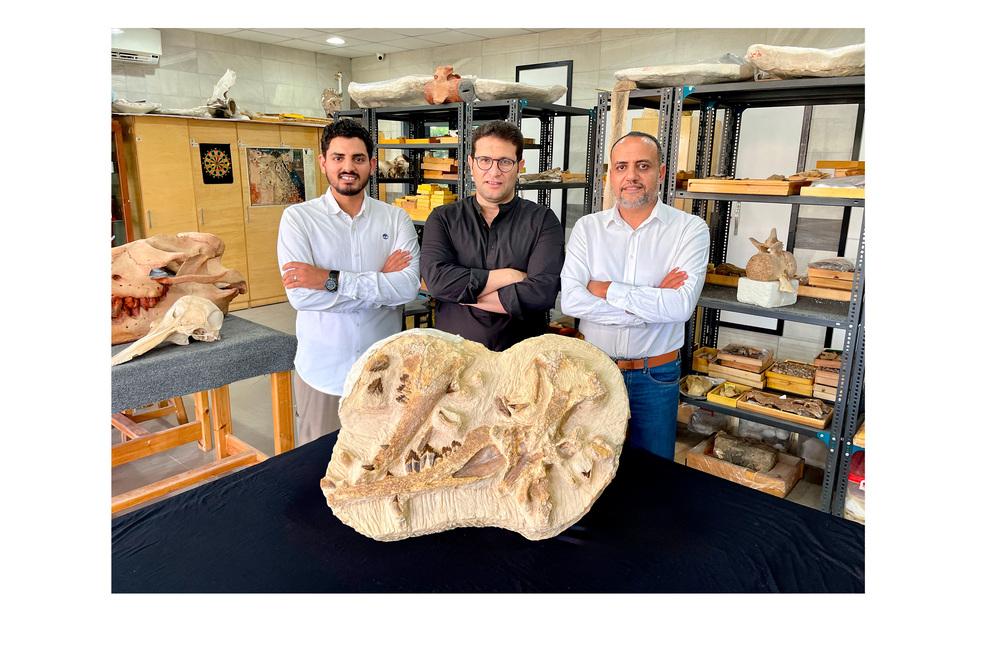
Paleontologists from the Sallam Lab in Egypt have
Independent
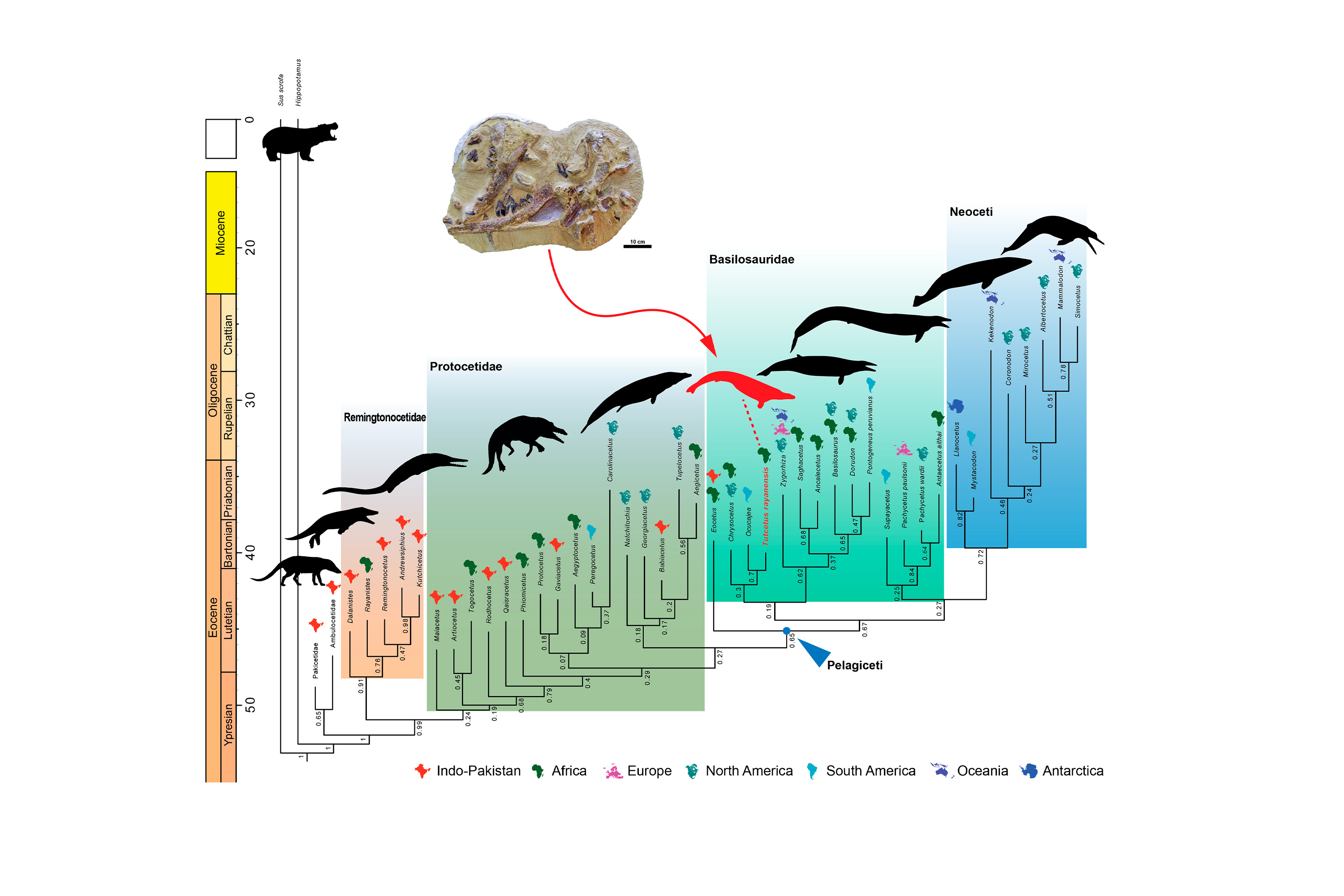
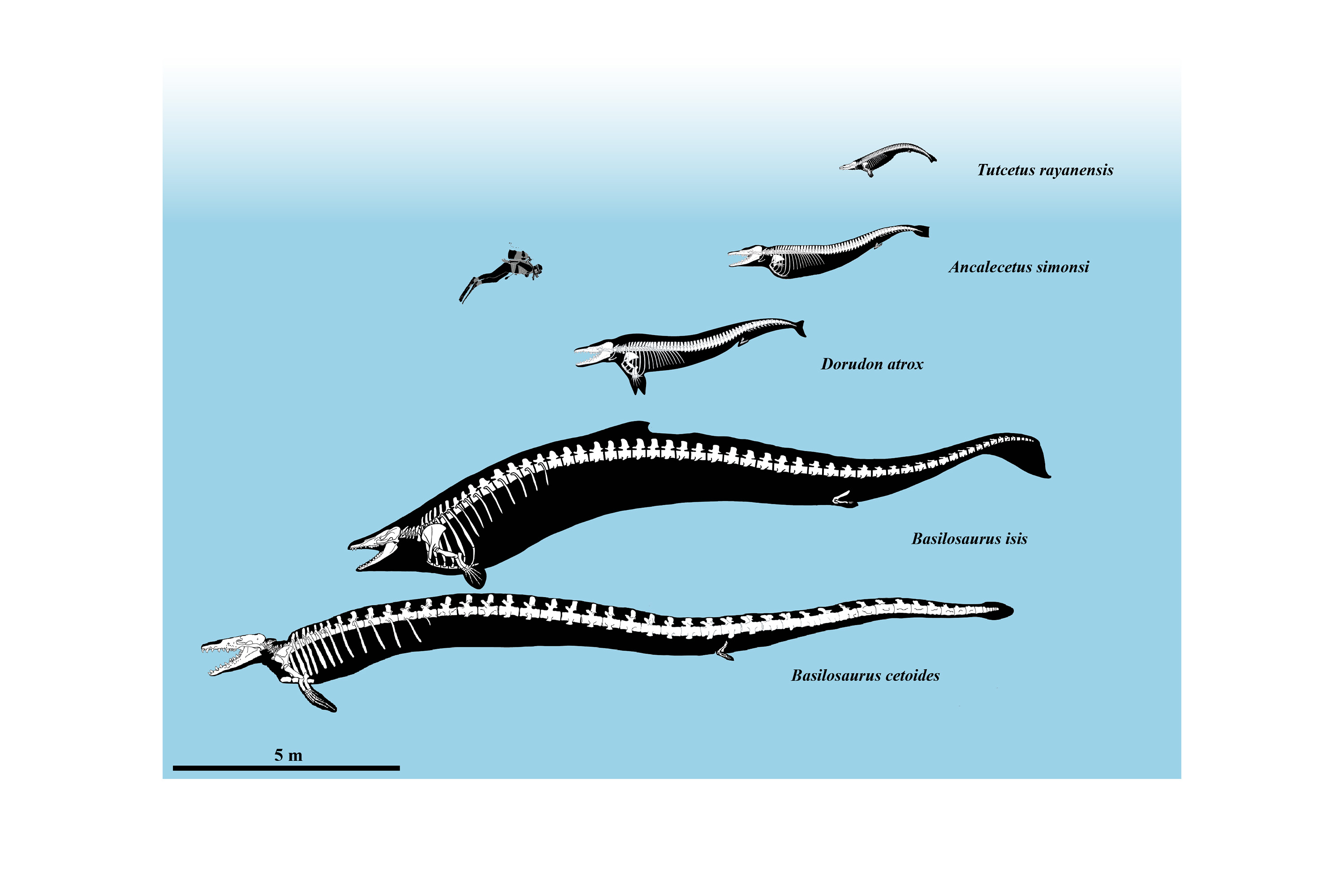
Tutcetus rayanensis, which was only 8ft long, has provided an insight into the history of early whales, scientists say.
A new ancient miniature whale species has been identified by researchers.
An international team of scientists made the “ground-breaking”
Popular Science
The miniature species, Tutcetus rayanensis, is named after King Tut.
Antarctic blue whales, the largest animals on Earth, can reach 98 feet from mouth to tail.
Livescience
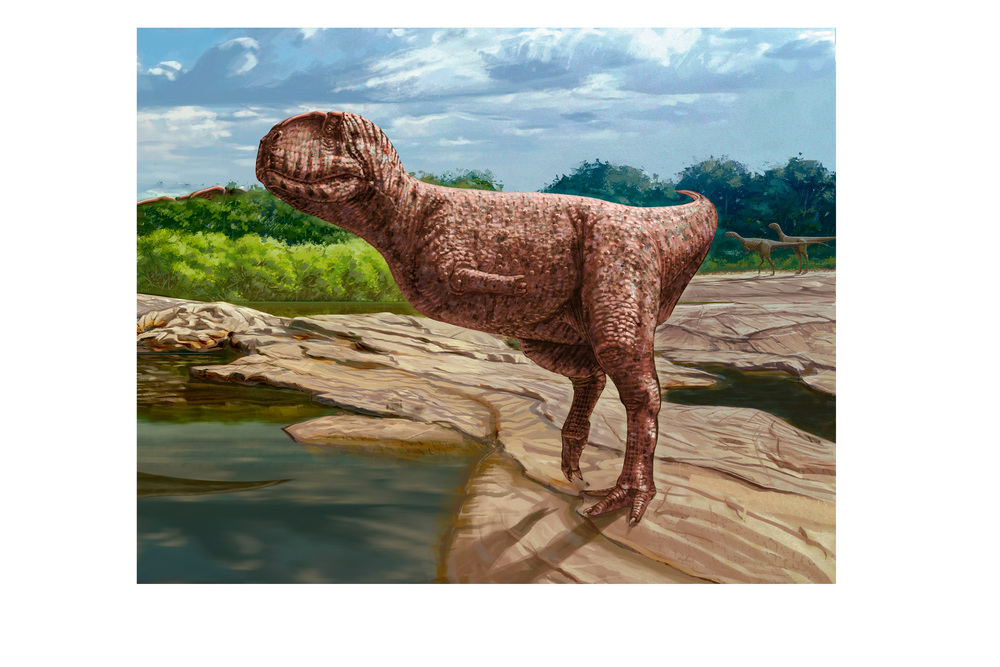
The hefty carnivore is the fourth large, predatory dinosaur discovered in Egypt's Bahariya Formation.
One of the world’s most dangerous prehistoric ecosystems just added another huge predator to its