
Tntribune
During a brief period of elevated global temperatures 56 million years, some fish still flourished, according to researchers.
“Despite extreme conditions, the Ras Gharib A fauna
… shows that diverse fish communities thrived in the paleotropics during the PETM [Paleocene-Eocene Thermal Maximum],”
states an article in Geology, published on May 17.
Fish are among the organisms thought to be most sensitive to warming climates. Tropical sea surface temperatures during the PETM likely approached temperatures believed to be lethal to some modern marine fish species.
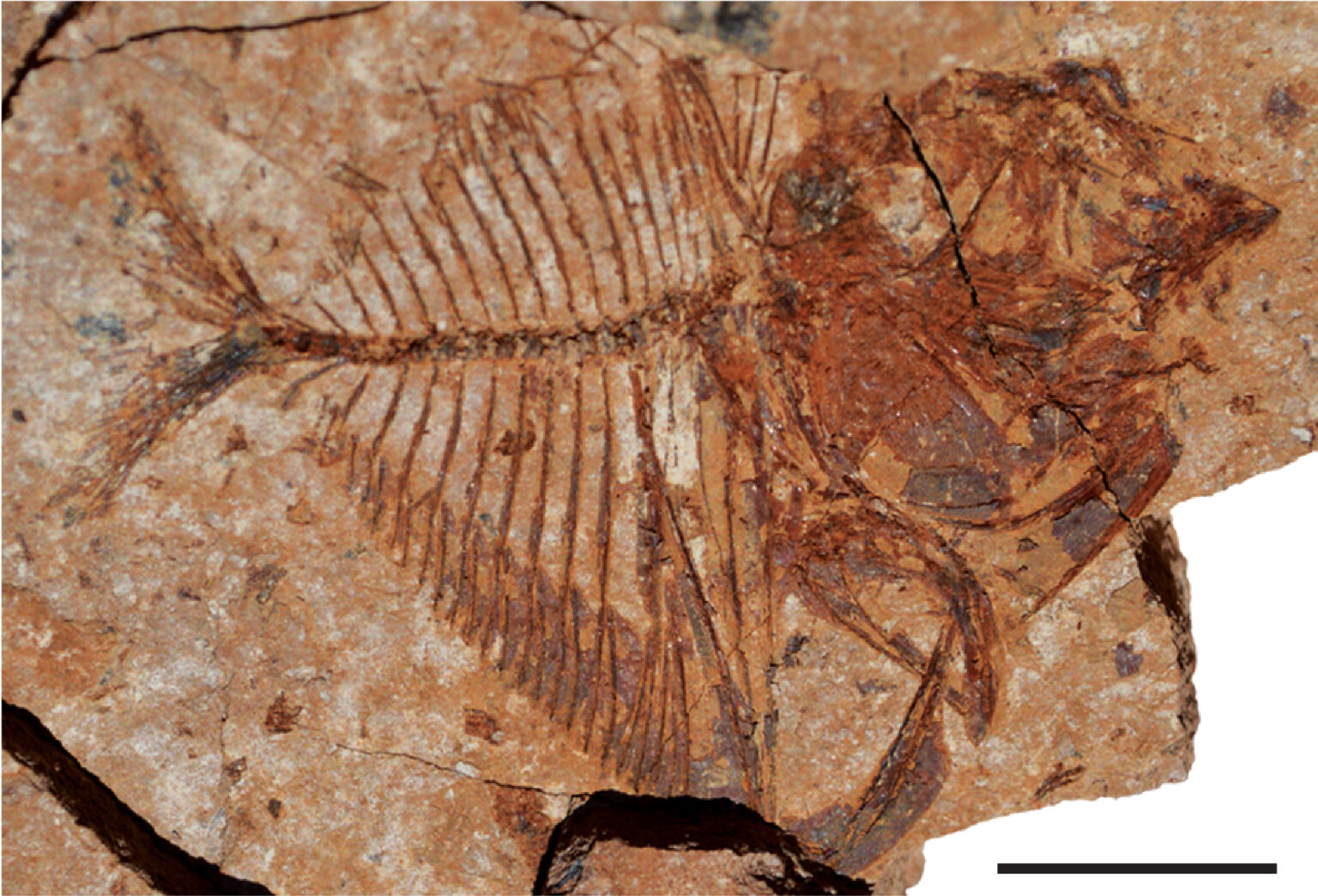
However, newly discovered fish fossils show that in that ancient period, certain fish seemed to be thriving.
“The impact of the PETM event on life at the time is of wide interest. But a major gap in our understanding is how life in the tropics responded, because this region is not well-sampled for many fossil groups,” said Matt Friedman, co-author of the study and director of the University of Michigan’s Museum of Paleontology.