Links
Map
Contact us
Department of Geology, Faculty of Science, Mansoura University, Mansoura, Egypt
- Visits 385158
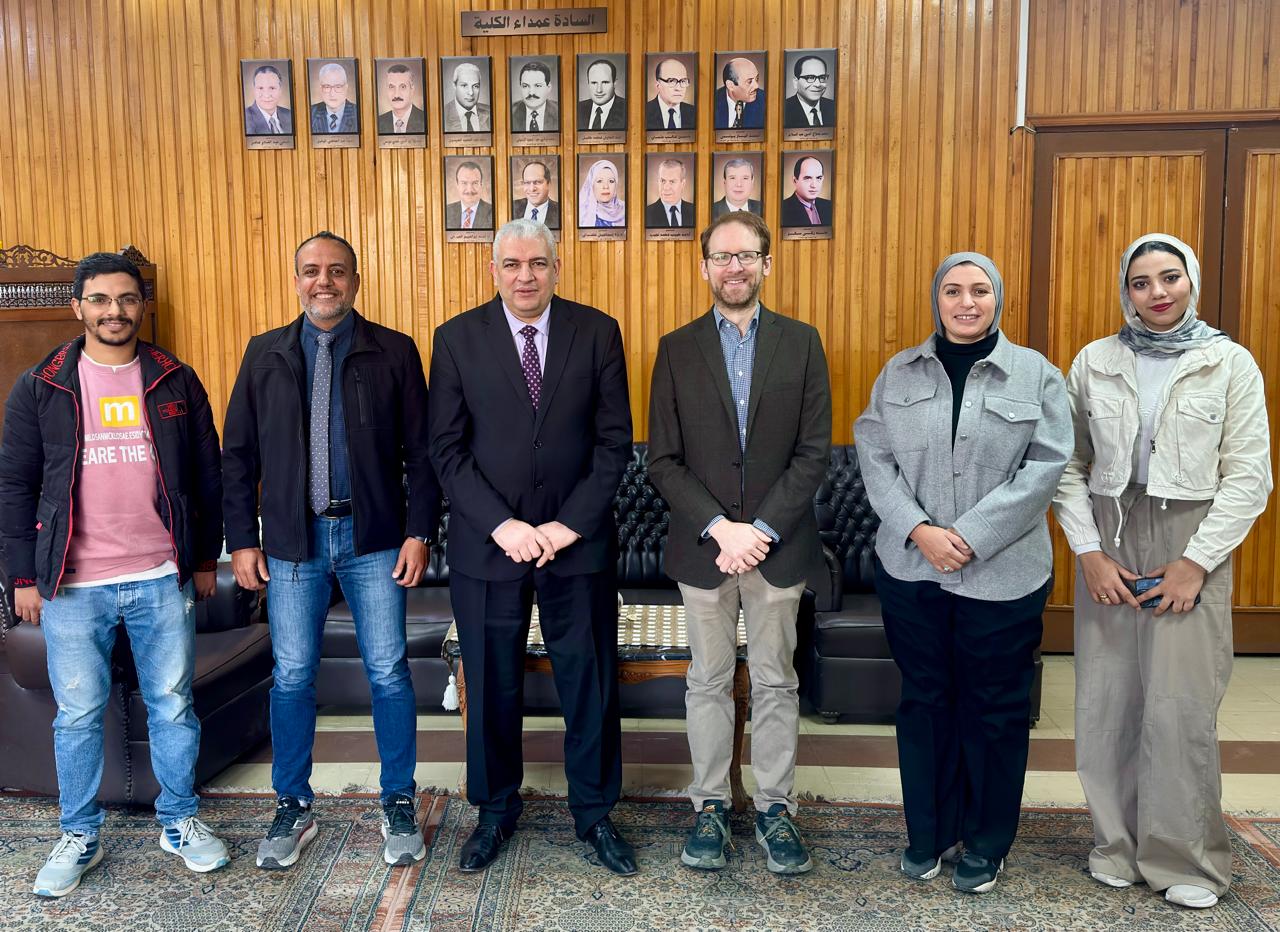
Professor Dr. Ehab Abdel-Latif, Dean of the Faculty of Science at Mansoura University, welcomed Professor Matt Friedman, a leading professor of paleontology at the University of Michigan, USA, during his visit to the university.
The meeting focused on enhancing international cooperation and supporting joint scientific research, particularly in paleontology.
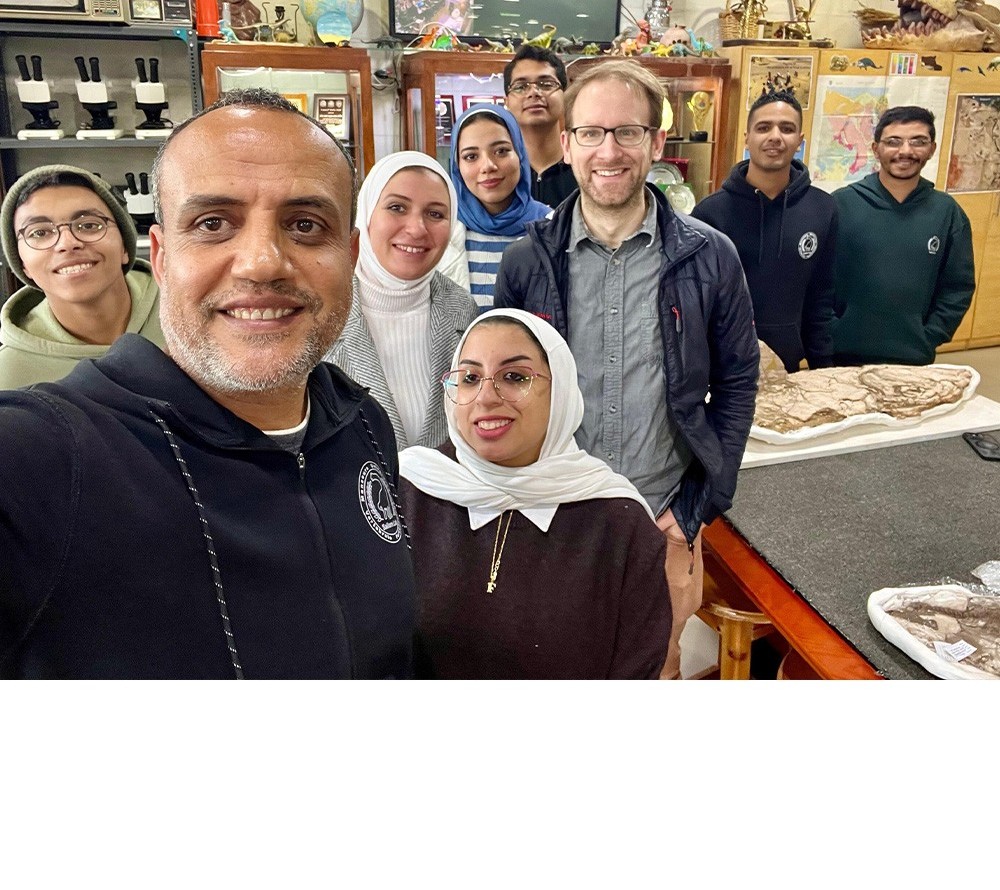
Professor Matt Friedman, a renowned paleontologist from the University of Michigan, USA, visited the Mansoura University Vertebrate Paleontology Center (MUVP).
During his visit, Professor Friedman met with faculty members and researchers to discuss opportunities for academic and research collaboration.
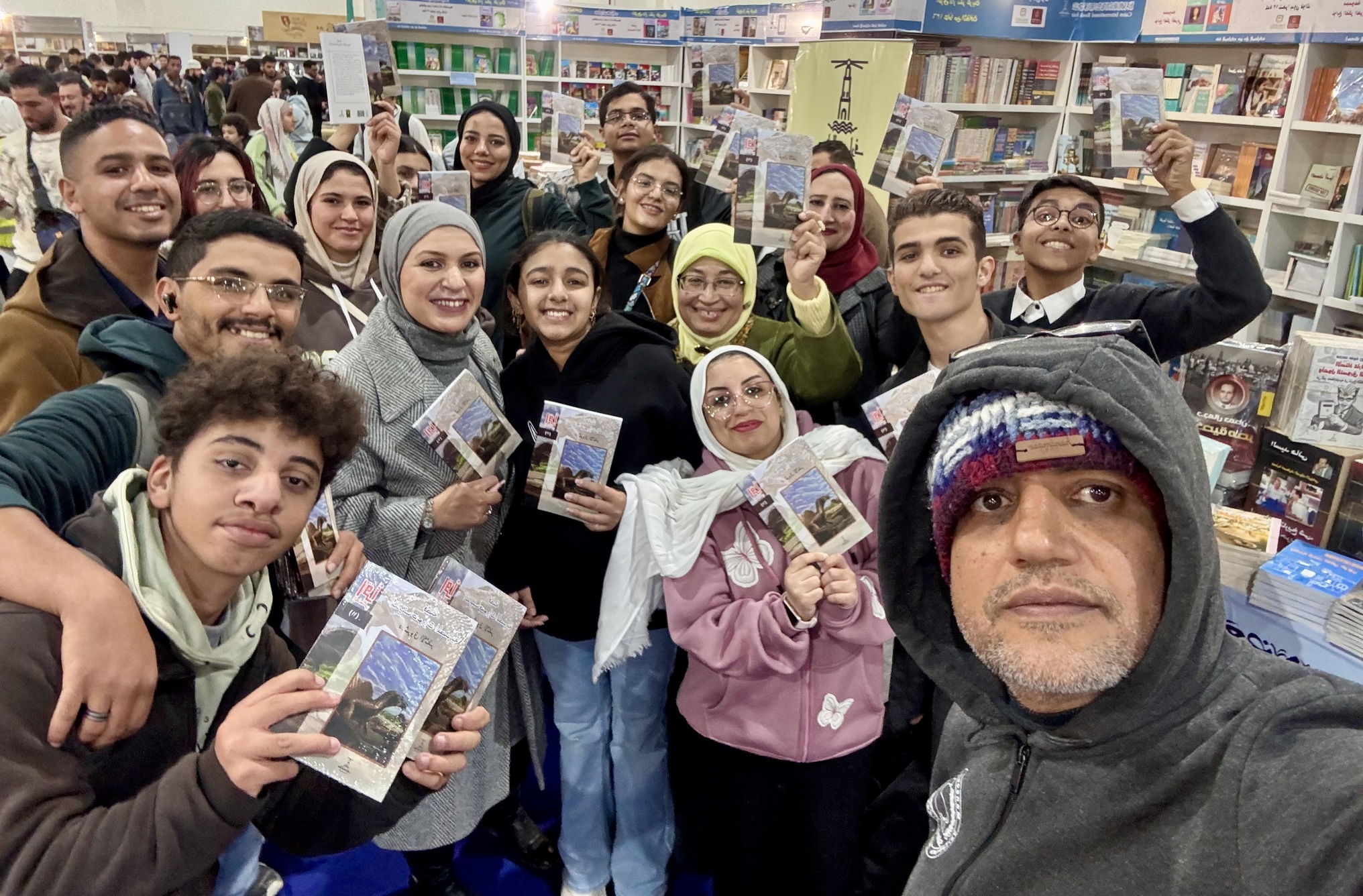
Dr. Shorouq Al-Ashqar unveiled her new publication, The Story of Egyptian Dinosaurs, during the Cairo International Book Fair.
The book represents the first Arabic-language publication dedicated to Egypt’s vertebrate fossil heritage, aiming to introduce the story of Egyptian dinosaurs to a wider public and promote awareness of Egypt’s natural history.
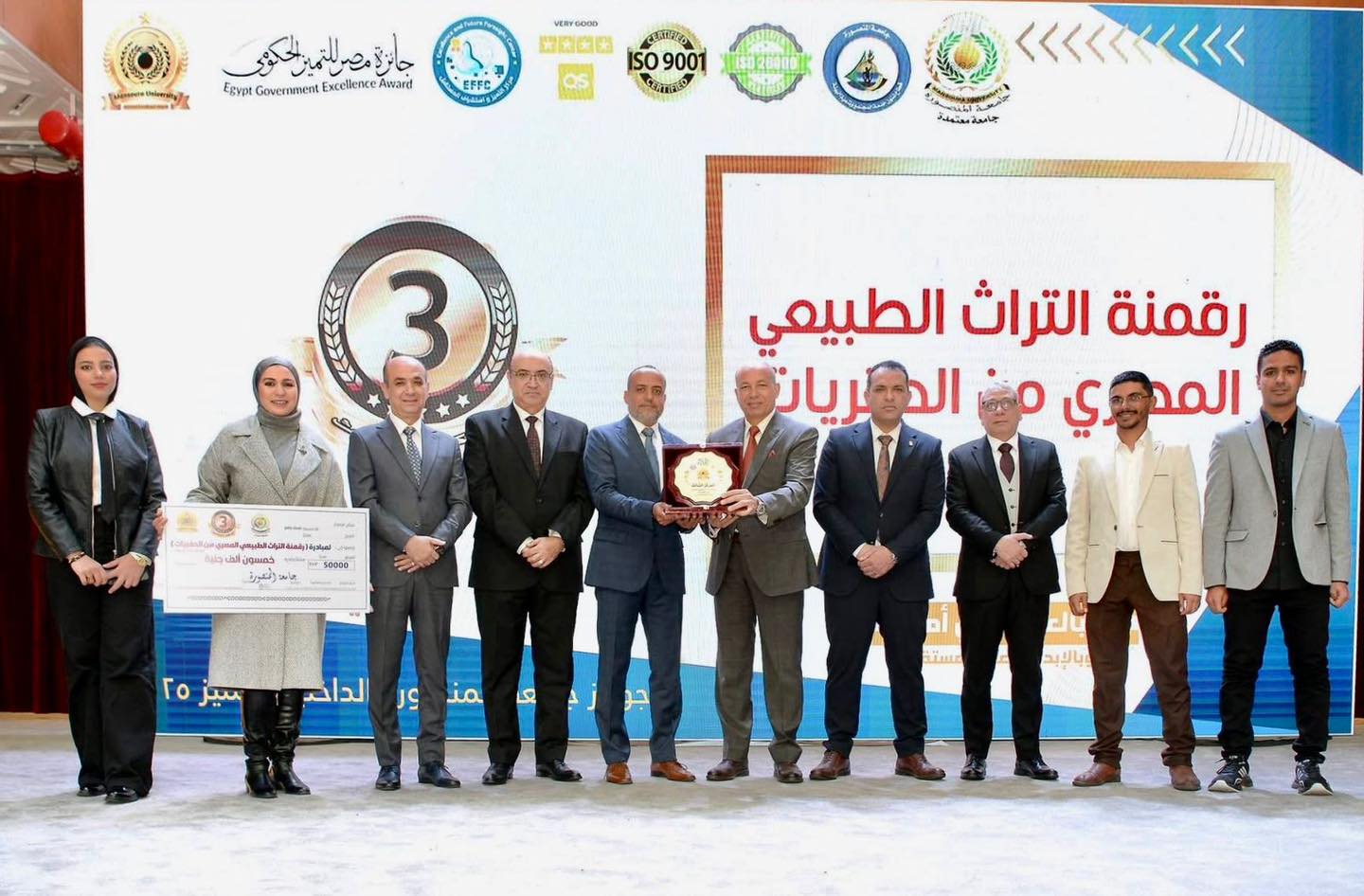
Mansoura University hosted the Awards for Institutional Excellence – Third Cycle 2025, during which the Mansoura University Vertebrate Paleontology Center (MUVP) was awarded third place in the category of Best Governmental Initiative.
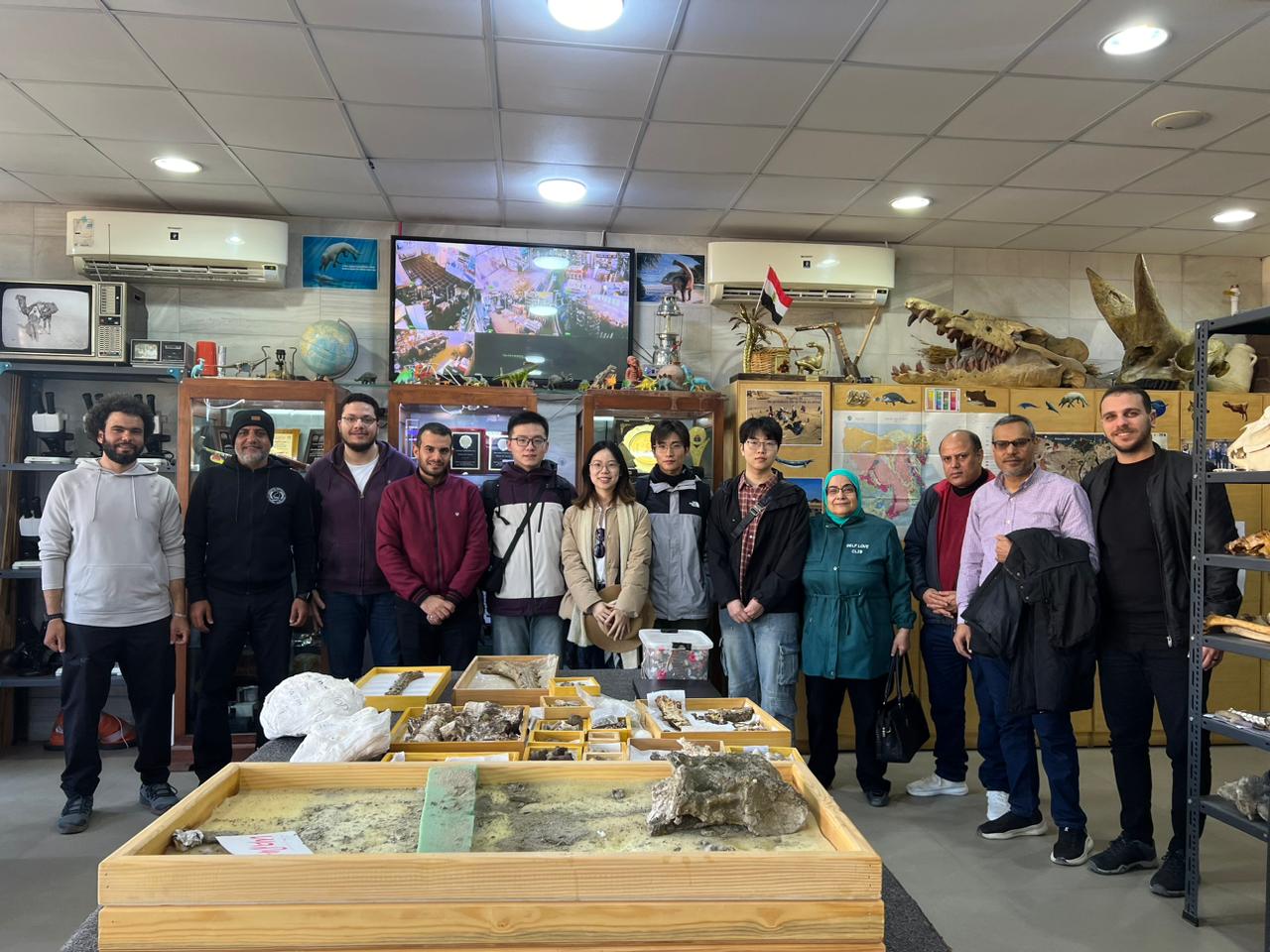
The Mansoura University Vertebrate Paleontology Center (MUVP) welcomed a group of engineering students from the People’s Republic of China, accompanied by faculty members and engineers from the Faculty of Engineering at Mansoura University.
During the visit, MUVP researchers presented the Center’s most significant fossil discoveries and recent scientific publications, highlighting ongoing research activities.
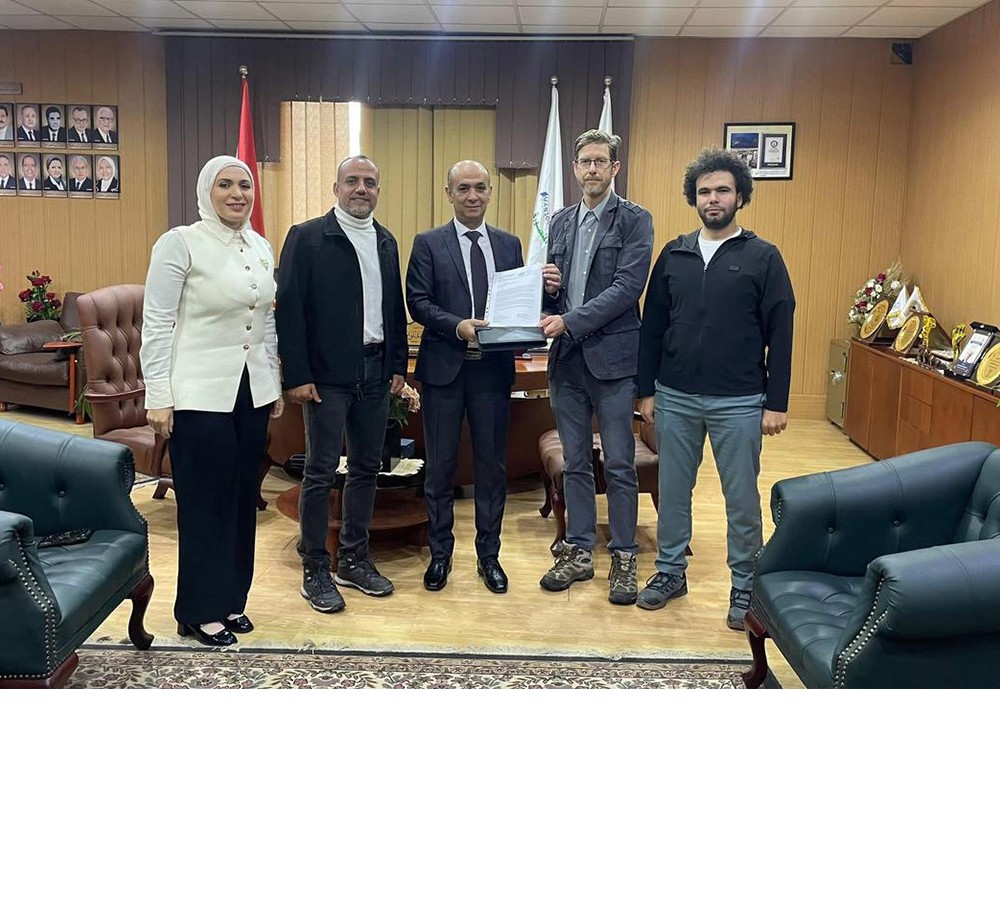
Professor Tarek Ghalwash, Vice President of Mansoura University for Postgraduate Studies and Research, met with Mr. Joe Groenke, an expert in the preparation and conservation of vertebrate fossils from Ohio University, USA, during his recent visit to the university.
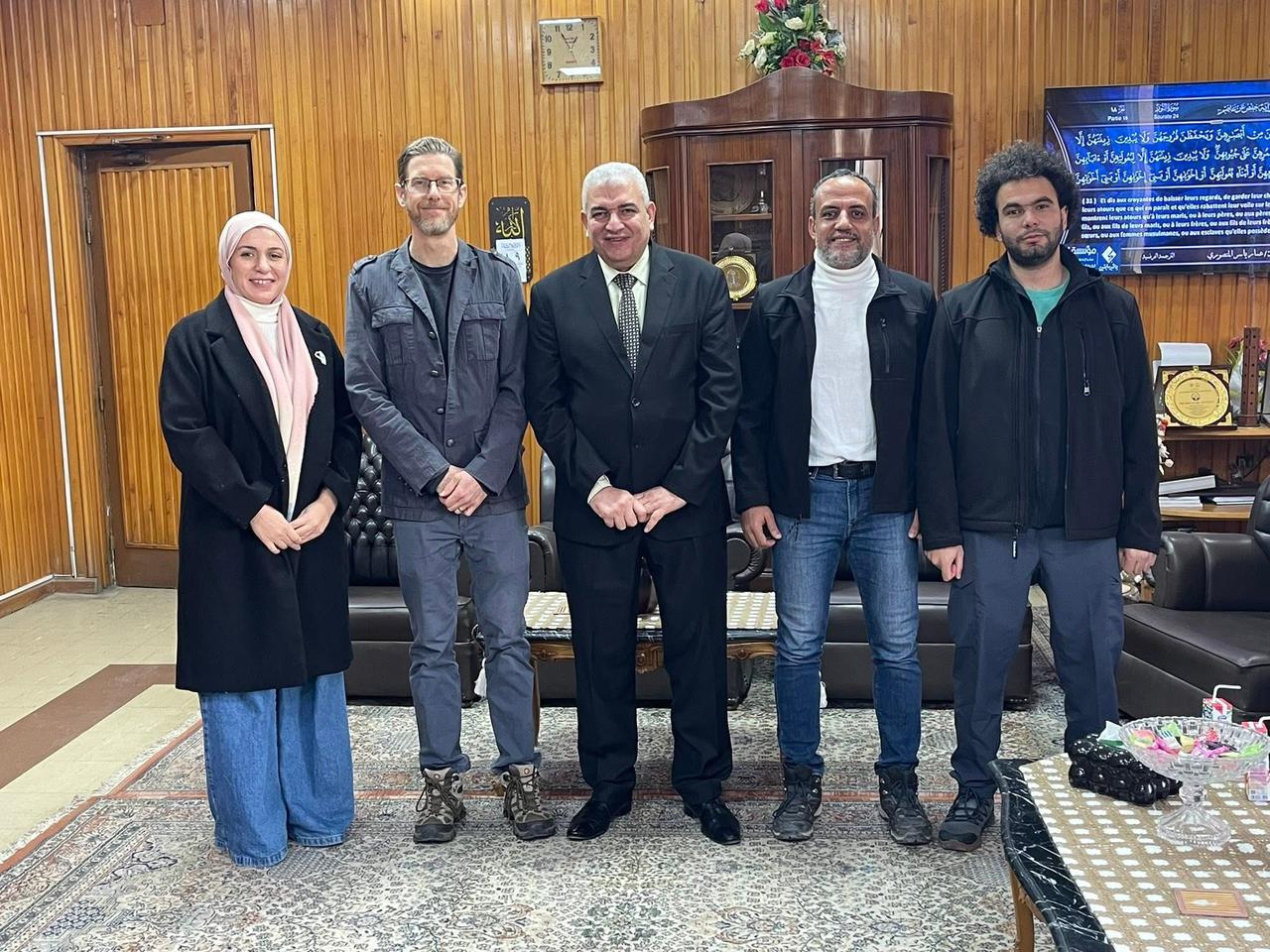
Professor Dr. Ehab Abdel-Latif, Dean of the Faculty of Science at Mansoura University, welcomed Mr. Joe Groenke, an expert in the preparation and conservation of vertebrate fossils from Ohio University, USA, during a productive meeting at the university.
The meeting was attended by Professor Hesham Sallam, Founder of the Mansoura University Vertebrate Paleontology Center (MUVP), and members of the Sallam Lab team.
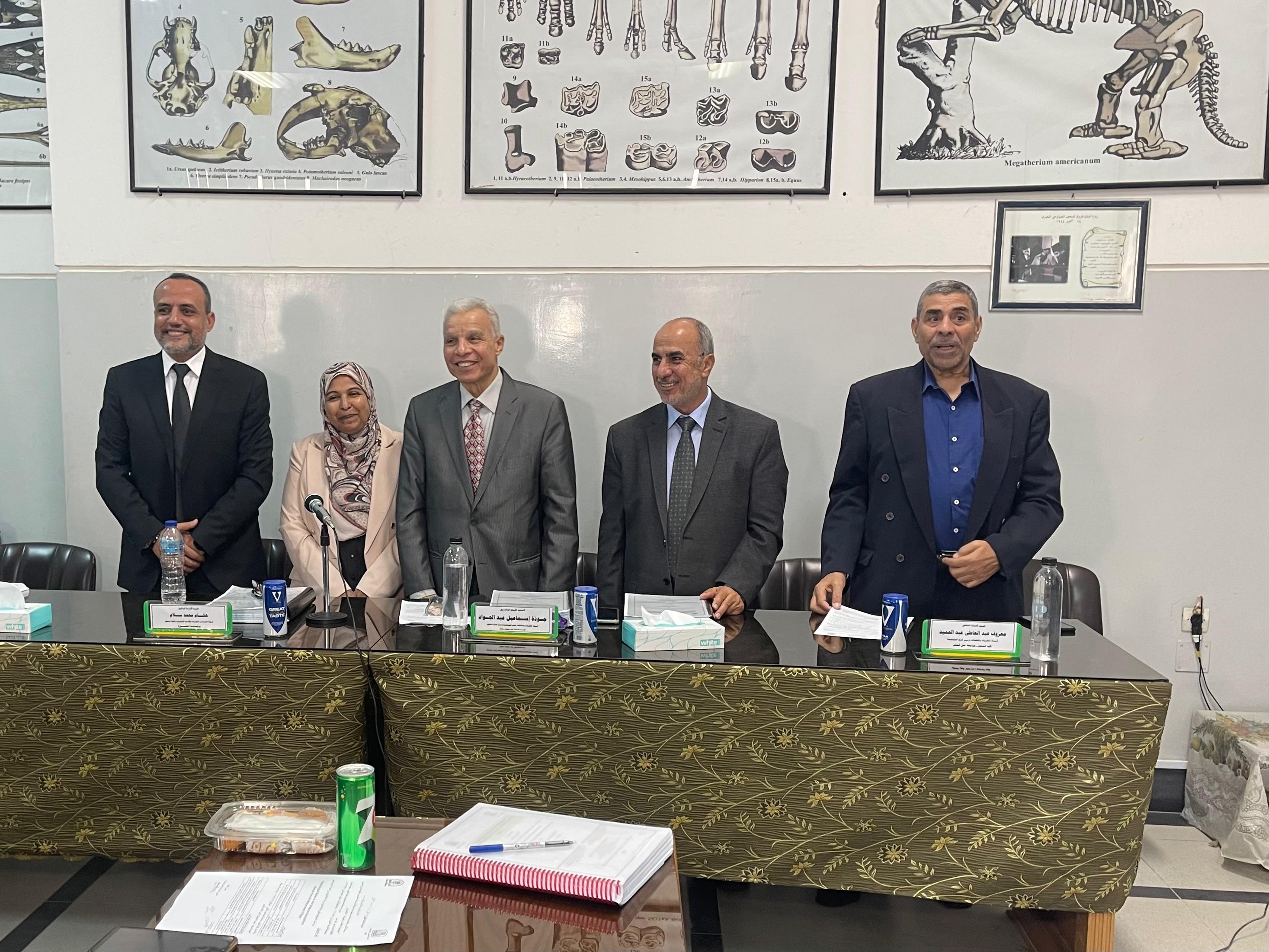
Dr. Sara Saber, a member of the Sallam Lab, has been awarded her PhD in vertebrate paleontology from Assiut University, marking the first doctorate of its kind granted to a woman in the university’s history and across Upper Egypt.
Her achievement represents a significant milestone for the field of paleontology in Egypt. Dr. Saber’s research contributes to the advancement of vertebrate paleontological studies and highlights the growing academic excellence emerging from Upper Egypt.
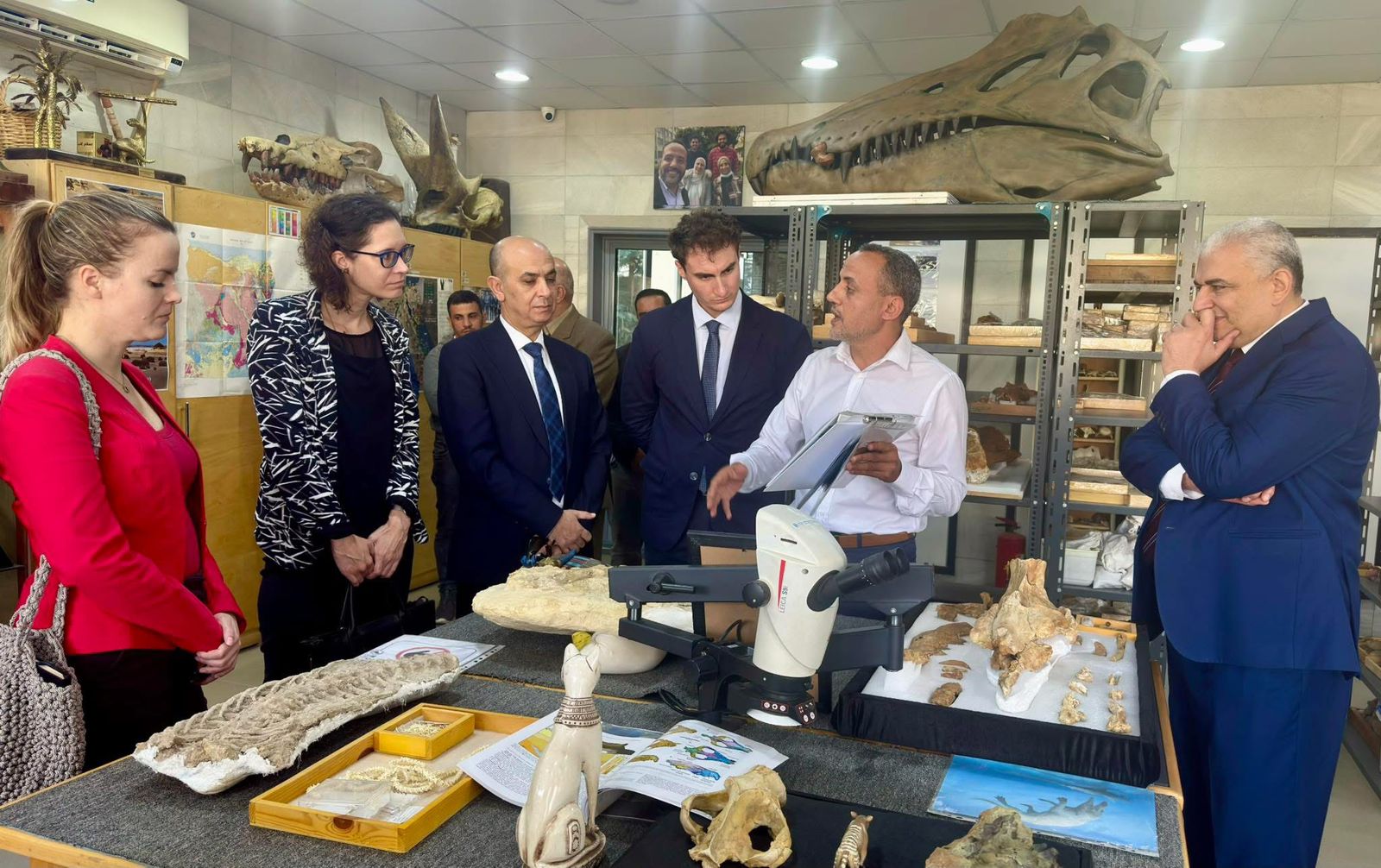
The Hungarian Ambassador and her accompanying group visited the Mansoura University Vertebrate Paleontology Center (MUVP), where they were received by Professor Hesham Sallam, Founder of MUVP.
During the visit, Professor Sallam provided the delegation with a guided tour of the Center, introducing its research facilities, key fossil collections, and major scientific discoveries. The visit highlighted MUVP’s role as a leading center for vertebrate paleontology research in the region.